

Can You Repair a Hidden Defect Before the Seller Inspects It?
Back to BlogsSafety and reasonable mitigation come first, but evidence should be preserved before irreversible work whenever practical. Photograph and video the condition, obtain written expert findings, give prompt notice, offer a reasonable inspection opportunity, preserve removed materials or samples when useful, and keep a complete chronology of the work and expense.
Why Homeowners Feel Trapped
A buyer discovers active termites, leaking plumbing, mold-like growth, unsafe wiring, a failing roof, structural damage, or contaminated insulation. The condition may be getting worse, but the seller, inspector, contractor, insurer, or pest company has not inspected it. The homeowner worries that repairing now will destroy the claim, while waiting may increase damage or create safety and habitability problems.
There is no sound strategy in allowing preventable damage to grow solely to preserve a lawsuit. At the same time, tearing out and discarding the condition without adequate documentation may prevent other parties and experts from evaluating causation, scope, age, or responsibility.
Mitigation and Evidence Preservation Serve Different Purposes
Florida's avoidable-consequences doctrine, often called mitigation, generally limits recovery for losses that could have been reasonably avoided without undue risk, burden, or expense. It does not require extraordinary or dangerous measures. System Components Corp. v. Florida Department of Transportation, 14 So. 3d 967 (Fla. 2009).
Evidence preservation addresses whether material evidence remains available for a fair evaluation or later litigation. Florida courts consider whether evidence existed, whether there was a duty to preserve it, and whether it was critical to another party's case or defense. Remedies for lost evidence depend on the circumstances and can include evidentiary consequences or sanctions. Golden Yachts, Inc. v. Hall, 920 So. 2d 777 (Fla. 4th DCA 2006).
These principles do not create a universal presuit rule requiring every homeowner to hold damaged property indefinitely. They support a practical, documented approach proportionate to the seriousness of the condition and the foreseeability of a dispute.
A Practical Preservation Sequence
1. Address Immediate Safety
If the condition presents an electrical, structural, fire, water, infestation, sanitation, or other safety risk, contact the appropriate licensed professional and follow reasonable emergency recommendations. Restrict access, shut off utilities, stop active water, or obtain temporary stabilization when needed. Record why the action could not wait.
2. Document Before Disturbing the Area
- Wide-angle and close-up photographs with scale and location context
- Video showing the path, room, access point, and surrounding finishes
- Dates, weather, odors, sounds, moisture readings, warning messages, and visible activity
- Photographs of labels, model numbers, permit stickers, treatment notices, serial numbers, and contractor markings
- A written list of who observed the condition and when
3. Obtain a Qualified Written Assessment
Ask the professional to record observations before repair, areas that could not be accessed, testing or measurements performed, likely causes and alternatives, urgency, recommended mitigation, and what should be preserved. A conclusory estimate is less useful than a report explaining the physical findings.
4. Send Prompt, Factual Notice
Notify potentially responsible parties in writing. Identify the property, condition, date discovered, immediate safety steps, proposed inspection window, and anticipated repair schedule. Request preservation of their records. Avoid unsupported accusations or a demand that delays urgent work.
5. Offer a Reasonable Inspection Opportunity
When safe and practical, offer specific dates and reasonable access before destructive repair. The opportunity does not have to be indefinite. Document nonresponse, refusal, scheduling problems, or any reason access could not be provided. After litigation begins, formal inspection procedures may also apply under the Florida Rules of Civil Procedure. Fla. R. Civ. P. 1.350.
6. Preserve Representative Evidence
Depending on the dispute, preserve removed pipe sections, wiring, wood, fasteners, filters, flooring, insulation samples, pest evidence, failed components, packaging, or other representative material. Label the item with date, location, collector, and condition. Use appropriate safety and environmental precautions; do not retain hazardous material casually.
7. Record the Repair Process
Photograph each stage of demolition and repair. Keep permits, proposals, contracts, change orders, invoices, disposal records, laboratory results, daily logs, and communications. Ask the contractor to note unexpected concealed conditions before covering them.
8. Separate Emergency Work From Permanent Repair
Temporary drying, shoring, tarping, pest treatment, de-energizing, water shutoff, or containment may be needed before the parties can evaluate the permanent solution. Keeping those phases distinct can make the chronology and reasonableness easier to explain.
What a Preservation Notice Should and Should Not Do
A useful notice is factual and operational. It identifies the condition, requests preservation of relevant files and communications, offers inspection, states the expected repair timing, and provides a contact method. It should not declare fraud, threaten criminal reporting, or make unsupported statements about causation.
Potentially relevant records may include disclosures, prior inspection reports, pest or contractor records, photographs, permits, estimates, invoices, insurance communications, text messages, emails, calendars, and electronic files. The exact request should be tailored rather than copied from a litigation template.
Common Evidence-Preservation Mistakes
- Discarding all removed materials before anyone photographs or identifies them
- Cleaning, painting, or replacing the area before documenting the original condition
- Allowing a contractor to summarize findings orally with no written report
- Sending an accusatory notice but providing no inspection access or repair schedule
- Waiting weeks for a response while water, insects, contamination, or structural damage worsens
- Failing to notify an insurer or warranty provider when the contract requires prompt notice
- Keeping unsafe samples without appropriate handling, labeling, or storage
- Claiming every later repair cost without separating preexisting maintenance, upgrades, and code work
How the Underlying Hidden-Defect Claim Still Must Be Proven
Preserving evidence does not establish liability. In a residential seller-nondisclosure claim, the buyer ordinarily must prove that the seller actually knew a material fact, the condition was not readily observable and was unknown to the buyer, the seller failed to disclose it, and the nondisclosure caused damages. Expert evidence, contract language, inspection limitations, and prior records may change the analysis.
A preservation sequence is valuable because it allows the parties to evaluate those questions with better information. It can also support early settlement by reducing arguments over what the condition looked like before repair.
Frequently Asked Questions
Must I wait for the seller's permission before repairing?
Not as a universal rule. Contractual notice, warranty, insurance, and litigation obligations may apply, but urgent safety and reasonable mitigation cannot always wait. Give notice and an inspection opportunity when practical, and document why any immediate work was necessary.
How long should I give the other side to inspect?
There is no single period for every condition. The time should account for urgency, safety, deterioration, professional availability, and prior communications. A short active leak may require a different schedule from stable old damage.
Do I need to keep every piece of removed material?
Usually not. Preserve material that is reasonably likely to matter, along with representative samples, photographs, measurements, and clear location information. The decision should account for size, safety, storage, cost, and anticipated dispute issues.
Can I use my repair contractor as an expert?
A treating or repair professional can provide valuable factual observations and opinions within the person's qualifications. Formal expert testimony may require additional analysis, documentation, independence, and disclosure. Do not assume every contractor is prepared to serve as a litigation expert.
What if the seller refuses to inspect?
Document the offer, response, deadlines, and repair necessity. Proceed reasonably with qualified professionals and preserve the best available evidence. A refusal does not prove liability, but it may reduce later complaints that no opportunity was provided.
Speak With a Florida Attorney About the Dispute
Learn more about our Real Estate Litigation and Civil Litigation services.
Evidence preservation should support, not prevent, reasonable remediation. Botwin Law Firm can review the contract, disclosures, inspection reports, photographs, expert findings, notice requirements, repair plan, and potential claims to help structure a practical preservation and presuit strategy.
Schedule a consultation to discuss preserving evidence while repairing a Florida hidden defect.
Recommended Reading

A repair shop or insurer offered to fix vehicle damage in exchange for a release. Review these Florida settlement terms before signing.
7 min read
A vehicle failed after an oil change and another mechanic says the wrong fluid was drained. Learn what evidence, damages, and settlement terms may matter in Florida.
6 min read
Learn how demand letters work in Florida business disputes, what they should include, how to respond, and when legal review matters.
8 min read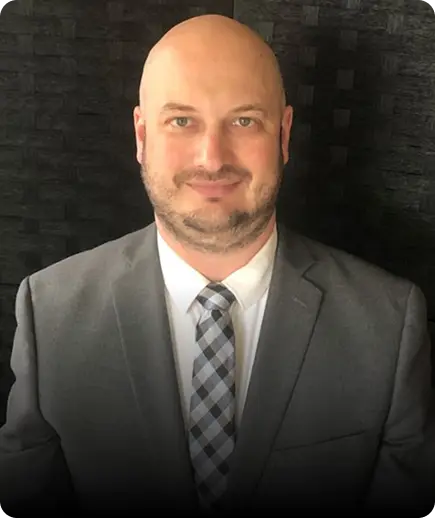
Paul Brytus, Esq. is the Managing Attorney at Botwin Law Firm, licensed to practice in Florida, Georgia, and Pennsylvania. With more than a decade of experience representing both companies and individuals, his practice spans civil litigation, business law, real estate, and related matters.
View Full Profile