

Can a Florida Oil-Change Shop Be Liable for Transmission Damage?
Back to BlogsA Florida repair or quick-lube business may be responsible when negligent service causes vehicle damage, but the timing of a breakdown alone does not prove causation. The most useful cases are built from the original work order, fluid and fill records, warning-light or scan data, towing records, an independent written diagnosis, photographs, preserved parts or samples, and a documented loss calculation.
Why These Disputes Are Technically Difficult
A customer may arrive for a routine oil change and leave with an overfilled engine, an underfilled transmission, the wrong fluid, a loose drain plug, or another service-related problem. The vehicle may fail immediately, or it may travel for days before symptoms become severe. The shop may admit an error, deny that the error caused the failure, or offer a limited repair without accepting responsibility for the full loss.
The central question is usually not simply whether the shop made a mistake. It is whether the mistake more likely than not caused the specific damage being claimed. A strong diagnosis should explain the mechanical sequence rather than merely state that the vehicle failed after service.
The Florida Motor Vehicle Repair Act May Apply
Florida regulates many motor vehicle repair shops through the Florida Motor Vehicle Repair Act. For work expected to exceed $150, the Act generally requires a written estimate unless an applicable waiver or exception applies. It also regulates authorization for additional charges, invoices, misleading statements, parts disclosures, and departures from accepted practices. Fla. Stat. § 559.905.
The statute identifies practices that can matter in a damage dispute, including unauthorized repairs, false or misleading statements, substituting used or rebuilt parts without required notice, and willfully disregarding accepted practices and professional standards. Fla. Stat. § 559.920.
A statutory violation does not automatically prove that a particular service mistake caused a transmission or engine failure. The repair documents and technical evidence still need to connect the conduct to the claimed loss. The Act does, however, provide a framework for obtaining and evaluating the shop’s estimate, authorization, invoice, warranty language, and representations.
Evidence That Can Establish What Happened
1. The original service documents
- Work order, estimate, authorization, and final invoice
- Odometer reading and the customer’s stated reason for service
- Part numbers, fluid type, fluid quantity, and technician notes
- Any inspection checklist, photographs, or electronic service record
- Payment receipt and loyalty-program or appointment records
Florida invoices generally must identify the work performed, itemize parts and labor, identify used, rebuilt, or reconditioned replacement parts, and state any repair guarantee. Fla. Stat. § 559.911.
2. The vehicle’s condition before and after service
- Prior maintenance and repair records
- Dashboard warnings, noises, leaks, slipping, hesitation, or drivability symptoms
- Photographs or video of fluid levels, dipsticks, drain plugs, leaks, or warning messages
- Towing records and the first location to which the vehicle was taken
- Mileage between the service and the breakdown
3. An independent written diagnosis
A second shop or dealer should be asked to document what it observed before major disassembly or repair. Useful findings may include fluid level and condition, diagnostic trouble codes, freeze-frame data, visible leaks, internal damage, evidence of overfill or starvation, and whether another plausible preexisting failure explains the symptoms.
A repair estimate that merely lists a replacement transmission is not the same as a causation opinion. The most persuasive report identifies the physical findings and explains how they support or undermine the proposed sequence of events.
4. Preserved physical and electronic evidence
Before the damaged component is discarded, rebuilt, flushed, or exchanged as a core, consider whether it should be photographed, inspected, sampled, or preserved. Fluid samples, removed filters, drain plugs, transmission pans, internal components, diagnostic scans, and electronic data may become important. Preservation should be practical and proportionate; the vehicle does not have to remain unusable indefinitely.
Should the Vehicle Be Repaired Before the Dispute Is Resolved?
Sometimes immediate repair is necessary to prevent additional loss, restore transportation, avoid storage charges, or satisfy a lender or insurer. Before authorizing irreversible work, the owner should usually provide written notice of the claimed problem, request preservation of the original records, document the condition thoroughly, and offer a reasonable inspection opportunity when doing so is safe and practical.
The owner should also obtain written confirmation about what parts will be removed, whether a failed component must be returned as a core, and whether the repair facility can retain samples or photographs. These steps help balance the need to mitigate damages with the need to preserve evidence.
What Losses May Be Part of the Claim?
Potential losses depend on the facts, the vehicle’s value, the available remedies, and proof of causation. They may include reasonable diagnostic expenses, towing, repair or replacement costs, rental or other loss-of-use expenses, storage, and in some cases diminished value. A claimant generally should avoid duplicate recovery and should document why each expense was reasonably incurred.
A proposed used transmission or engine should be evaluated by donor mileage, source, compatibility, warranty, labor coverage, programming, fluid and ancillary parts, completion deadline, rental coverage, and the remedy if the replacement fails. The correct measure is not always the cost of a brand-new component, but a high-mileage used component is not automatically an equivalent resolution either.
Settlement Warning: Do Not Sign the Release Too Early
A shop or insurer may offer repairs or money in exchange for a release. The release may extend beyond the known repair, waive unknown or supplemental damage, bind additional owners or family members, impose confidentiality or non-disparagement terms, or end rental coverage before the vehicle is returned and tested.
The safest structure often ties the release to objective completion terms: the precise repair scope, part specifications, warranty, completion date, rental responsibility, post-repair testing, supplemental damage procedure, and the point at which the release becomes effective.
For a detailed checklist on release terms, see “Before You Sign a Vehicle Repair Release in Florida: 12 Terms to Check.”
Immediate Steps After Suspected Wrong-Fluid Damage
- 1. Stop driving if continued operation may increase the damage or create a safety risk.
- 2. Photograph the vehicle, warning messages, leaks, dipsticks, and the original service paperwork.
- 3. Request the complete shop file, including technician notes and electronic service records.
- 4. Obtain an independent written diagnosis before major repair when practical.
- 5. Ask that removed parts, fluids, filters, and scan data be preserved or documented.
- 6. Keep a chronology of mileage, symptoms, calls, admissions, towing, estimates, and expenses.
- 7. Do not sign a release until the repair scope and remaining risks are understood.
Frequently Asked Questions
What if the shop admits it drained the wrong fluid?
An admission is important, but the owner should still document causation and damages. The parties may disagree about whether the error caused all of the claimed damage, whether the component was already failing, and what repair is reasonably equivalent.
Can the owner recover rental-car costs?
Reasonable transportation or loss-of-use expenses may be part of a claim when they were caused by the incident and are supported by records. The amount and duration should be proportionate, and the owner should document efforts to avoid unnecessary expense.
What if the invoice is in one person’s name but the title is in another’s?
Ownership, payment, possession, contractual rights, and who incurred each loss should be mapped before a demand or release is prepared. The correct claimant or signatory may differ by remedy.
Should the owner allow the original shop to perform the repair?
That decision depends on trust, technical capability, warranty terms, evidence preservation, transportation needs, and whether the proposed repair fully addresses the damage. A written scope and independent review can reduce uncertainty.
Does every bad repair create a lawsuit worth filing?
No. A viable case requires sufficient proof, legally recoverable damages, a responsible and collectible party, and economics that justify the chosen process. Some matters are better resolved through a documented repair agreement, warranty process, insurance claim, regulatory complaint, or targeted presuit demand.
Speak With a Florida Attorney About the Dispute
Learn more about our Consumer Law, Civil Litigation, and Contracts services.
A vehicle-damage dispute often turns on records created in the first days after the failure. Botwin Law Firm can review the work order, repair records, technical findings, communications, proposed replacement, release language, and claimed losses to assess the responsible parties and practical next step.
Schedule a consultation to discuss a Florida repair shop dispute or vehicle damage claim.
Recommended Reading
A repair shop or insurer offered to fix vehicle damage in exchange for a release. Review these Florida settlement terms before signing.
7 min read
Learn how demand letters work in Florida business disputes, what they should include, how to respond, and when legal review matters.
8 min read
Learn what Florida business owners and individuals should consider when a contract is breached, including documents to gather, deadlines, demand letters, litigation, and attorney review.
5 min read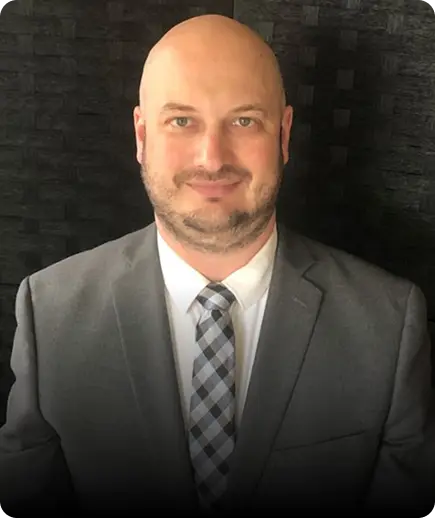
Paul Brytus, Esq. is the Managing Attorney at Botwin Law Firm, licensed to practice in Florida, Georgia, and Pennsylvania. With more than a decade of experience representing both companies and individuals, his practice spans civil litigation, business law, real estate, and related matters.
View Full Profile